Victorian homes for sale come with charm, character, and a lot of history. But they also come with quirks, surprises, and decisions that modern homes don't require. If you're drawn to the ornate woodwork, high ceilings, and architectural details of a Victorian, you're not alone—but you need to know what you're getting into before you make an offer.
Let's walk through what makes Victorian homes different, what condition issues to watch for, and how to approach buying one in today's market.
Related: Fortuna Homes for Sale: What to Know Before Buying
Related: Montgomery Homes for Sale: What You Need to Know in 2026
Related: Homes for Sale: What to Know Before You Buy in 2026
Victorian Homes for Sale: Multiple Styles, Multiple Conditions
When you search for Victorian homes for sale, you're actually looking at several different architectural styles, not just one. The Victorian era spans decades, and homes built during that time reflect different design trends.
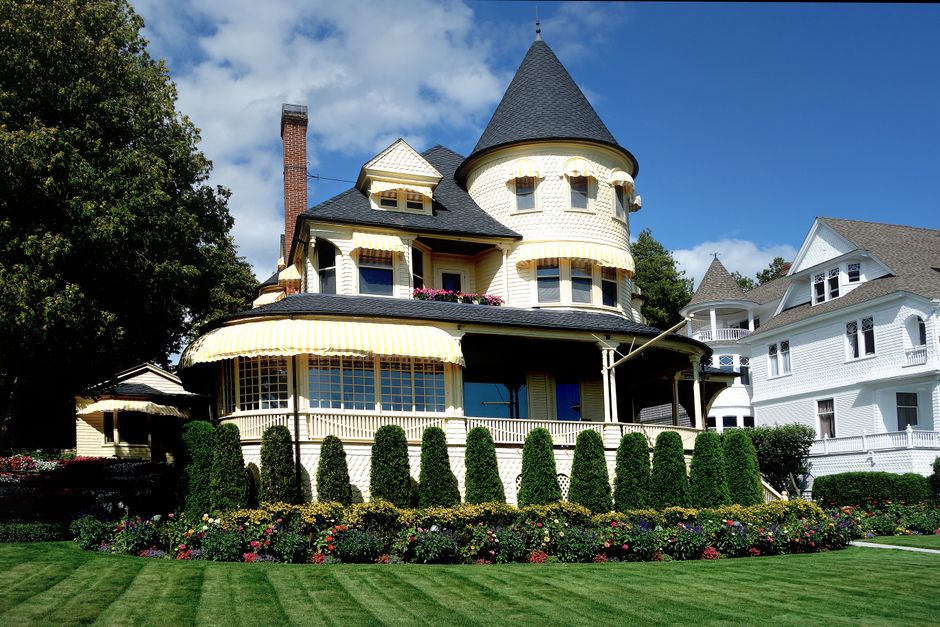
Queen Anne Victorians are probably what comes to mind first: they feature asymmetrical shapes, wraparound porches, turrets, and tons of decorative details. But Victorians also include Italianate homes with tall, narrow proportions and ornate cornices, and Gothic Revival homes with steep pitched roofs and pointed arches.
The condition of Victorian homes for sale varies wildly. You'll find move-in ready homes where someone has already done the restoration work. You'll find "time capsules"—homes that haven't been significantly updated but are structurally sound. And you'll find fixer-uppers that need serious work but appeal to buyers who love a project.
Understanding which style appeals to you and what condition you can actually handle is your first decision. If you're uncertain about what you're looking at, The McMurry Group @ eXp Realty can walk you through the differences and help you focus on homes that fit your timeline and budget.
What to Inspect in an Older Victorian
Victorian homes are old, and old homes have old systems. That's not necessarily bad—many were built with materials and craftsmanship that far exceed modern construction. But you need to know what's been maintained and what's been neglected.
Start with the foundation. Look for cracks, settling, or water damage in the basement or crawl space. Foundation repairs are expensive, so this is critical.
Check the roof. If it's original or only a few years old, you need to know how much life is left. Roof replacement runs into serious money.
The electrical system in a Victorian might still be the original knob-and-tube wiring or outdated fuses. Modern living requires modern power capacity. You may need to upgrade the entire system, or you may just need to add circuits. Get an electrician to inspect.
Plumbing deserves attention too. Old cast iron pipes can corrode. Galvanized steel can clog with mineral deposits. Lead solder in joints is a concern in homes from certain eras. A plumber's inspection tells you what you're dealing with.
Windows in Victorians are often beautiful and original, but single-pane glass is inefficient. Double-hung windows can be restored or replaced—that's a choice you'll make based on your priorities and budget.
Heating is another factor. If the home still relies on radiators and a boiler, that system needs inspection. Forced-air systems are more common now, but retrofitting them into a Victorian can be tricky given the layout.
Always hire an inspector who understands older homes. They'll spot issues that an inspector used to new construction might miss. The same goes for your real estate agent—experience with Victorian properties in your area matters.
Historic Preservation and Restrictions
Some Victorian homes sit in historic districts or are individually listed on historic registers. This adds layers to your buying decision.
Historic designation can mean restrictions on what you can change. Want to replace those original windows? You might need approval. Thinking about a new roof in a modern color? That could require a permit and review.
These restrictions exist to preserve the character and integrity of historic properties and neighborhoods. But they also mean you can't just renovate however you want. Before you buy a Victorian in a historic district, understand the rules. Ask your real estate agent for details, and contact the local historic preservation office if needed.
On the flip side, historic homes sometimes qualify for tax credits or grants that help fund restoration work. That's a financial benefit worth exploring.
Timing and Seasonal Considerations for Your Purchase

Spring is traditionally when more homes hit the market, including Victorian properties. If you're shopping in spring, you'll likely see more inventory and more buyer competition.
Winter can be quieter, which means less competition—but it's also harder to see what a property looks like in good weather, and foundation issues or water problems are easier to spot when the ground is wet.
The real key is knowing your own timeline. Are you in a rush, or can you wait for the right home? Can you handle a renovation project, or do you need something ready now? Your answers shape when and what you should pursue.
Current market conditions are shifting, and mortgage rates are expected to move gradually. Before you commit to a Victorian purchase, get up-to-date guidance on what today's market looks like in your area. The McMurry Group @ eXp Realty serves the greater Charlotte area and can give you realistic input on timing, pricing, and what Victorian properties are actually selling for right now.
Buying or selling?
Talk to an Agent →Working with an Agent Who Knows Victorians
Not every real estate agent is comfortable with Victorian homes. Some specialize in new construction. Others focus on turnkey properties. If you're serious about a Victorian, find an agent with actual experience buying, selling, and renovating them.
That experience shows up in how they guide your inspection, what contractor referrals they offer, and how they price the home for market. An agent who knows Victorians understands that a beautiful original mantelpiece adds value, but a roof that needs replacement next year subtracts it.
They should also know the neighborhood—not just which streets are tree-lined or walkable, but where Victorian homes tend to cluster, which ones have sold recently, and what buyers typically pay for them.
If you're looking at Victorian homes for sale in Indian Trail, Matthews, Mint Hill, Waxhaw, or the greater Charlotte metro, having a local expert in your corner makes a real difference. That's what The McMurry Group @ eXp Realty brings to the table—neighborhood knowledge and hands-on experience with the Charlotte-area real estate market.
Budget for What You Don't See
Here's the truth about Victorian homes: you often discover issues after you close. A plumbing line fails. Settling cracks show up. The electrical panel is undersized.
Budget for surprises. Set aside money for unexpected repairs, especially in your first year of ownership. Older homes reward patience and planning—not panic.
Get a thorough inspection before you make an offer. Negotiate repair credits or price reductions if major systems are aging or failing. Don't assume the seller will fix everything, and don't assume you can handle everything yourself unless you've done it before.
Finding the Right Victorian Home for You

Victorian homes for sale appeal to buyers who value character, history, and something different from tract development. That's legitimate—there's genuine beauty and craftsmanship in these homes.
But finding the right Victorian means being honest about your budget, your timeline, and how much work you want to take on. It means understanding what condition the home is actually in, not what you hope it is. And it means working with someone who knows these homes inside and out.
If you're exploring Victorian homes in the Charlotte area and want to talk through your options, reach out to The McMurry Group @ eXp Realty. You can call or visit the website to connect with the team. Joseph McMurry and the group serve Indian Trail, Matthews, Mint Hill, Waxhaw, and surrounding communities—and they're ready to help you navigate the Victorian market with eyes wide open.
What's the biggest cost when buying a Victorian home?
Roof replacement, foundation repair, and electrical or plumbing system upgrades tend to be the priciest projects. The cost varies wildly based on the home's age, previous maintenance, and how much work has already been done. A full inspection before purchase gives you a realistic picture.
Do I need special insurance for a Victorian home?
Standard homeowners insurance covers Victorian homes the same way it covers any home. However, if you're doing restoration work or if the home has historic value, talk to your insurance agent about whether specialized coverage makes sense. Some insurers offer discounts for homes in historic districts too.
Are Victorian homes a good investment?
Victorian homes can appreciate well, especially in desirable neighborhoods and if they're properly maintained. But they're not "flip and sell quick" properties. They reward long-term ownership and thoughtful restoration. Buy a Victorian because you love it, not just because you think it'll make you money.
Can I modernize a Victorian without losing its character?
Yes. Many homeowners update systems (electrical, plumbing, HVAC) while preserving original details like woodwork, hardware, and trim. The key is thoughtful choices—keeping what matters and updating what needs it. If the home is in a historic district, check the guidelines first.
Buying or selling?
Talk to an Agent →