

Looking for homes for sale? Right now is actually a solid time to be a buyer. Inventory levels are climbing, prices aren't skyrocketing like they were a couple years ago, and you've got real negotiating power for the first time in a while. But before you jump in, you need to understand what's actually happening in the market and how to make a smart move.
What's Happening With Homes for Sale Right Now
The real estate landscape shifted noticeably in early 2026. After years of ultra-tight inventory and bidding wars, the market is loosening up. Active listings are climbing in most regions, which means there are genuinely more homes for sale to choose from. This is a buyer's advantage.
National projections suggest home sales could increase by around 14% in 2026 compared to the previous year. That doesn't mean prices are crashing, but it does mean the frenzied competition you might've heard about is cooling down. You actually have time to make decisions instead of having to waive inspections and offer 20% over asking.
Here's the catch: market conditions vary wildly depending on where you're looking. A buyer's market in one neighborhood doesn't mean the same dynamics are at play two miles away. This is why checking your specific locality matters more than reading national headlines.
How to Search for Homes for Sale Strategically
When you're browsing homes for sale online or working with an agent, don't just look at price and square footage. You need a system.
Start with sales history. Look at what similar homes sold for in the past 3-6 months. That's your reality check. If a listing is priced way higher than comparable sales, you know there's negotiating room. If it's lower than comps, it might move fast.
Use detailed filters. Narrow by features that actually matter to you: number of bedrooms, lot size, year built, or specific neighborhoods. The more specific you are, the faster you'll find homes worth your time. Don't waste energy on properties that don't fit what you're looking for.
Check days on market. A home that's been listed for 60+ days in a buyer's market tells you something. It might have issues, or it might just be overpriced. Ask why it hasn't sold yet.
When you're ready to move beyond browsing and want professional guidance on your specific area, The McMurry Group @ eXp Realty can walk you through what's actually available in your target neighborhoods and what homes are realistically priced.
Understanding Your Position as a Buyer
The increased inventory in 2026 means you're not fighting desperately over every listing. This changes your power in a few key ways.
You can make reasonable offers. In a seller's market, offering asking price or less gets ignored. Now? A fair offer actually gets considered. You can ask for repairs instead of taking a house as-is. You can negotiate closing timelines.
You have time to inspect properly. Don't waive your inspection just because the market is competitive. Get a good home inspector and actually dig into the bones of the house. A home inspection costs a few hundred bucks and can save you from a 30-year mistake.
You can shop around. Multiple offers on a single property used to be automatic. Now you might find that homes sit for a few weeks. Use that to your advantage. Compare options. Don't rush into the first thing that feels okay.
Alternative Options Beyond Traditional Listings

If you're hunting for homes for sale, also look at federal agency properties. The U.S. Department of Housing and Urban Development (HUD) sells single-family and multifamily properties regularly. These are often priced below market rate because they're liquidated from foreclosures or other government programs.
HUD properties typically need more work than traditional resales, but if you're handy or willing to budget for repairs, you can find real value. Check HUD's official property search to see what's available in your area.
Short sales and bank-owned properties also pop up regularly. These move differently than typical homes for sale and often give you negotiating advantages.
Mistakes to Avoid When Buying Homes for Sale
Getting house hunting wrong is expensive. Here are the traps people fall into.
Don't ignore your budget. Just because you qualify for a $400,000 mortgage doesn't mean you should spend it all. Calculate what you can actually afford monthly, including property taxes, insurance, and maintenance. That's your real number.
Don't skip the pre-approval. Sellers take you more seriously when you have a pre-approval letter. It shows you're a real buyer with actual money ready. Plus, you'll know your real budget before you start falling in love with homes.
Don't buy right before a major life change. Getting a new job in three months? Moving into a long-term relationship? Hold off. Life changes affect what you actually need in a home. Lock in your situation first.
Don't overlook the neighborhood. Square footage and kitchen updates matter, but location is forever. Spend time driving through neighborhoods at different times of day. Walk around. Talk to people. Does this feel like where you want to spend the next 5-10 years?
When you're feeling overwhelmed by choices or want a second opinion on homes for sale in your area, working with an experienced agent helps. The McMurry Group @ eXp Realty specializes in guiding buyers through exactly this process, especially in the Charlotte metro area.
Buying or selling?
Talk to an Agent →Related: Best Luxury Homes for Sale in Charlotte Suburbs | 2026
Next Steps After Finding Homes You Like
Once you've narrowed your search to a few homes for sale that actually appeal to you, here's what happens next.
Get a professional inspection. This is non-negotiable. A $400 inspection can reveal $40,000 in problems you didn't see during your walk-through.
Get a home appraisal. Your lender requires this, but it also protects you. If you're buying a $300,000 house but it only appraises for $280,000, you know the price is wrong.
Review the title. Make sure there are no liens or ownership disputes. Your title company handles this, but ask questions if anything seems off.
Walk through one more time before closing. Bring your inspection report and a checklist. Confirm repairs were actually made. Confirm appliances listed in the sale are still there. This sounds basic, but people skip it.
Making Sense of Your Local Market
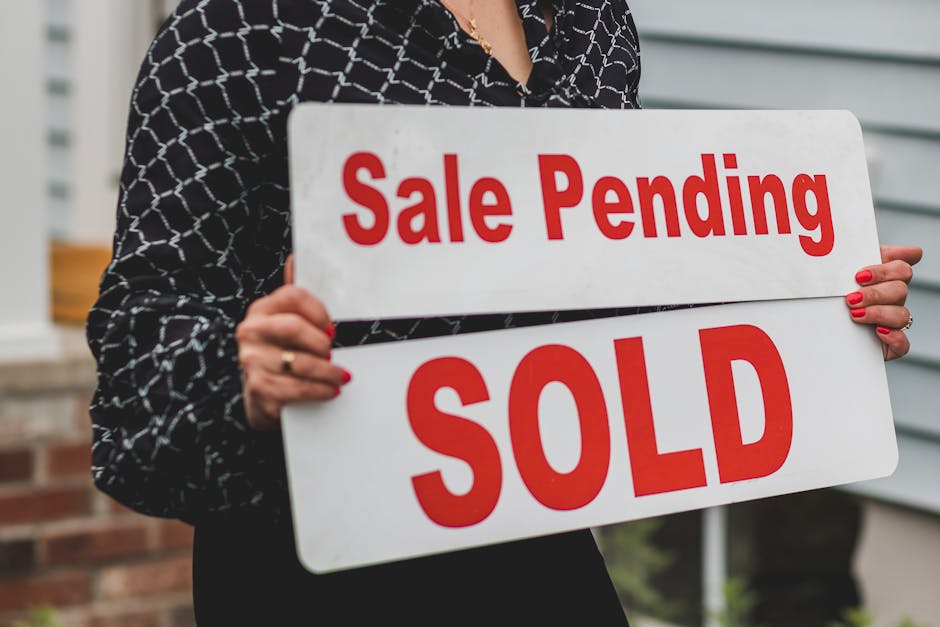
National statistics are useful context, but your actual market matters way more. A buyer's market nationwide doesn't help you if your specific street is still competitive.
This is where local expertise pays off. Someone who knows your neighborhoods, knows what homes actually sell for, and knows the inventory levels can tell you if now is the right time to buy or if you should wait a few more months. They know which streets have longer market times and which are moving fast.
If you're buying in the Charlotte area, getting that kind of localized insight can save you thousands of dollars and weeks of frustration. The McMurry Group @ eXp Realty operates throughout the greater Charlotte metro and can give you that neighborhood-level breakdown.
People Also Ask
What's the best time to buy homes for sale?
Generally, you want to buy when there's decent inventory and you're not desperate. Right now in 2026, inventory is climbing and prices are moderating, which gives buyers more leverage than they had in 2024-2025. But your personal timeline matters more than the overall market. If you need to move, buy when you're ready. If you can wait, waiting until late fall or winter sometimes means less competition and more negotiating power.
Should I make an offer below asking price?
In a buyer's market, yes. If a home's been listed for 30+ days and comparable homes sold for less, an offer below asking is completely reasonable. The worst they can do is say no. In a tight market, below-asking offers get rejected instantly. Read your local conditions and adjust accordingly.
Related: HUD Homes for Sale: Complete Buyer's Guide
Related: Buy Homes in Charlotte, NC: Your Complete 2026 Guide
Do I really need an agent to find homes for sale?
You don't legally need one, but having a good agent saves you money and headaches. They know the inventory before it hits public sites, they understand local pricing, and they negotiate on your behalf. The seller pays the agent commission, so it doesn't cost you anything out of pocket. Getting a solid agent is one of the smartest moves you can make.
What if I find a home I love but I'm worried about the price?
Step back. Compare it to at least three other homes in the area that sold in the past six months. Look at square footage, lot size, age, and condition. If your home is priced higher than those comps, you have data to support a lower offer. Don't let emotion override numbers. Houses are everywhere. There will be another one you like.
Buying or selling?
Talk to an Agent →