
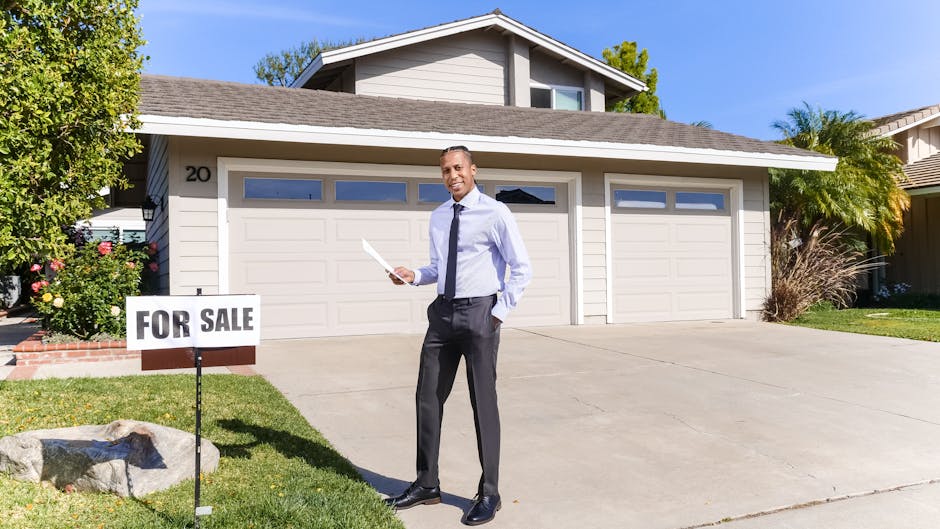
Wondering how much your house is worth? You're not alone. Whether you're thinking about selling, refinancing, or just curious about your equity, figuring out your home's value is one of the first questions homeowners ask.
The good news: you don't need to hire an appraiser to get a ballpark number. There are several free online tools that can give you an instant estimate based on comparable sales, property features, and local market trends. Let's break down how to find your home's real value and what those numbers actually mean.
The Fastest Way to Check Your Home's Value
The quickest answer to "how much is my house worth" comes from free home value estimators. These are online tools that use algorithms to analyze public property data and recent sales in your area.
Related: What Is My Home Worth in Matthews, NC? 2026 Guide
Related: First Time Home Buyer in Charlotte: Complete 2026 Guide
Three major platforms offer free instant estimates:
- Zillow's Zestimate - You get an immediate estimate when you enter your address. The accuracy improves when you claim your listing and update details like renovations, square footage, or recent improvements.
- Realtor.com's Home Value Estimator - No login required. Enter your address and get an estimate plus links to nearby comparable sales.
- Redfin's Home Value Estimate - Provides an instant estimate and shows you the actual sale prices of homes similar to yours in your neighborhood.
All three are genuinely free. No credit card, no hidden fees. Pick one (or all three) and start there.
Understanding Comparable Sales Data
Here's what these tools actually do: they find homes similar to yours that sold recently and use those prices to estimate your value. Real estate pros call these "comps."
When you run an estimate, the tool is looking at factors like square footage, lot size, number of bedrooms and bathrooms, age of the home, condition, and location. It then compares your home to recent sales of similar properties nearby.
This is the same method professional appraisers use, except they do it manually and with much more detail. The automated version is faster but sometimes less precise, especially if your home has unique features or sits in a hot market where prices are changing week to week.
The real power here? Most of these platforms also show you the actual sold listings they used to calculate your estimate. You can see what similar homes in your area actually sold for. That's gold when you're trying to understand the local market.
How to Get More Accurate Estimates
Free estimates are helpful, but you can improve their accuracy by giving the tools better information about your specific home.
Claim your listing. On Zillow especially, claiming your home means you can edit the property details directly. Upload photos of recent renovations. Add details about upgrades like new flooring, updated kitchen, or HVAC system replacement. The more accurate the data, the more accurate the estimate.
Compare multiple platforms. Don't rely on one estimate. If Zillow says your home is worth $400,000 but Redfin says $385,000, the truth is probably somewhere in between. Getting three different estimates gives you a range and helps you see which factors matter most in your market.
Look at the comparable sales yourself. After you get an estimate, dig into the actual sold homes the tool used. Are they really similar to yours? Same neighborhood, same age, same condition? If the comps feel off, that estimate might be off too.
What's Actually Included in Your Home's Value

Home value isn't just about the house itself. Estimators factor in:
- Location and neighborhood market trends
- Square footage and lot size
- Number of bedrooms and bathrooms
- Age and overall condition of the structure
- Recent home sales in the area
- Market supply and demand (how many homes are selling right now)
- Days on market for recent sales (fast sales suggest high demand)
What these tools don't know? The true condition of your home's foundation, roof, electrical, or plumbing unless it was recently inspected and documented. They also can't account for special features like a custom pool, a view, or a problematic neighbor situation.
Why Your Estimate Might Change Month to Month
You might notice your estimated value fluctuates. That's normal. As new homes sell in your area, the tools update their comparable sales data. Markets also move seasonally. Spring is typically busier than winter, which can push prices up or down depending on local supply.
If your estimate dropped 5 percent but the market seems stable, don't panic. If it drops 15 percent, that might signal a broader market shift worth investigating.
If you're serious about understanding your home's exact value for a major financial decision, The McMurry Group @ eXp Realty can provide a detailed comparative market analysis. This isn't an official appraisal, but it's a step above a free online estimate because it includes local market expertise and current sold data from the MLS.
Buying or selling?
Talk to an Agent →When You Need a Professional Appraisal Instead
Free estimates are great for general knowledge, but some situations require a licensed appraiser:
- You're getting a mortgage or refinancing (lenders require an official appraisal)
- You need the value for legal purposes (estate settlement, divorce, etc.)
- Your home has unique features or sits on an unusual lot
- You're dealing with a property that hasn't sold recently in your area
An appraisal costs money (usually $400-$600 in the Charlotte area) but provides a defensible, official assessment of value. If you're selling your home soon or making a major financial decision, this is worth the investment.
According to the Appraisal Institute, licensed appraisers follow strict standards and ethics codes. If you do go this route, make sure whoever you hire is licensed by your state.
The Real Talk About Home Value

Here's something important: your home's estimated value and what you can actually sell it for aren't always the same thing.
Estimated value is based on recent comparable sales and market conditions. But the actual selling price depends on how you market the home, the condition of the market when you list (buyer or seller's market), your negotiating skills, and sometimes just the personal preference of the buyer who falls in love with your home.
A buyer might pay above your estimate if they love the location. Another buyer might offer below if they think repairs are needed. Your home is worth what someone will actually pay for it on the day it closes.
That's where a local real estate professional makes a difference. They can tell you not just what the data says your home is worth, but what it's actually likely to sell for given current market conditions, buyer demand in your specific neighborhood, and how your home stacks up against active listings and recent sales.
Getting Help Understanding Your Home's Value
If you've run a few estimates and you're still uncertain, or if you're seriously considering selling, the next step is a conversation with someone who knows your local market inside and out.
A realtor in your area can give you a free comparative market analysis. This goes beyond the automated estimates because it includes professional judgment about condition, market timing, and buyer psychology. It's a real person's opinion backed by local data, not an algorithm.
If you're in the Charlotte area, including Matthews, Mint Hill, Waxhaw, or the surrounding metro, The McMurry Group @ eXp Realty offers free home value consultations. You can reach them if you want to talk through your specific situation. No pressure, no obligation. Sometimes a 15-minute conversation clears up more than three different online tools.
Your Next Move
Start simple: pick one of those free estimators and enter your address. See what number comes back. Then run it on the other two and compare. Look at the actual sold homes they're using as comps and ask yourself if they're really similar to yours.
If the three estimates are clustered within 5 percent of each other, you've got a solid ballpark range. If they're all over the place, your home might be unusual enough that an automated estimate isn't reliable, and a professional opinion would help.
Either way, knowing "how much is my house worth" is the first step to making smart decisions about selling, refinancing, or just understanding your net worth. You've got this.
What if my home has been recently renovated? Will that show up in the estimate?
Not automatically. The tools rely on public records, which update on a delay. If you claimed your listing on Zillow and added photos and details of recent work, that helps. But for a fresh renovation, the estimates might lag behind reality by a few weeks or months. When in doubt, mention the renovation directly to anyone you're asking for a value opinion.
Can I trust a Zestimate or is it usually way off?
Zestimates are better than nothing, but they're estimates, not appraisals. Zillow says the median Zestimate margin of error is around 2 percent for homes with recent sales nearby, but can be 5-10 percent or higher in slower markets or for unusual properties. Use it as a starting point, not the final word.
Why do home values change so fast in some markets?
High demand, low inventory, or major shifts in local conditions (new employer moving in, school reputation changes, etc.) can move prices quickly. Your estimate updates as new comparable sales data comes in, so seasonal shifts and major market moves show up pretty fast in the tools.
If I get an estimate, do I have to sell my house?
Absolutely not. Getting an estimate is just information. You can check your home's value out of pure curiosity, for financial planning, or to decide whether you want to explore selling down the line. No obligation whatsoever.
Buying or selling?
Talk to an Agent →