
A home valuation is how lenders, buyers, and sellers figure out what your house is actually worth in today's market. In Charlotte, NC, the valuation process follows pretty standard steps, but understanding what happens during an appraisal can make the whole experience less stressful.
Here's the honest truth: your home's value isn't just a number someone pulls out of thin air. It's based on a careful, documented process that looks at your property's condition, location, size, and what similar homes in your area have sold for recently.
What is a Home Valuation?
A home valuation is an estimate of what your property is worth on the open market right now. It's different from a home price estimate you might find online.
Related: What Is My Home Worth in Matthews, NC? 2026 Guide
When you're buying a home, your lender requires an appraisal to make sure the house is worth the loan amount. When you're selling, you want to know if your asking price is realistic. When you're refinancing, your bank needs to know the current value to decide if they'll refinance.
The valuation process in Charlotte NC is handled by certified appraisers who follow specific standards and guidelines. They're not just eyeballing your place—there's real methodology involved.
The Home Valuation Process in Charlotte NC: Step-by-Step
Step 1: Order the Appraisal
If you're buying with a mortgage, your lender orders the appraisal. If you're selling or refinancing, you'll arrange it yourself or work with a real estate professional to coordinate.
The appraisal order includes basic info about your home—address, square footage, number of bedrooms and bathrooms, and what you're paying (or what you want to list it for).
Step 2: The Appraiser Schedules the Inspection
Once the appraisal is ordered, a certified appraiser in the Charlotte area will contact you to set up a time to visit. This usually happens within a week or two.
The inspection itself typically takes 30 minutes to an hour, depending on how large your home is and how thorough the appraiser needs to be.
Step 3: The Physical Walkthrough
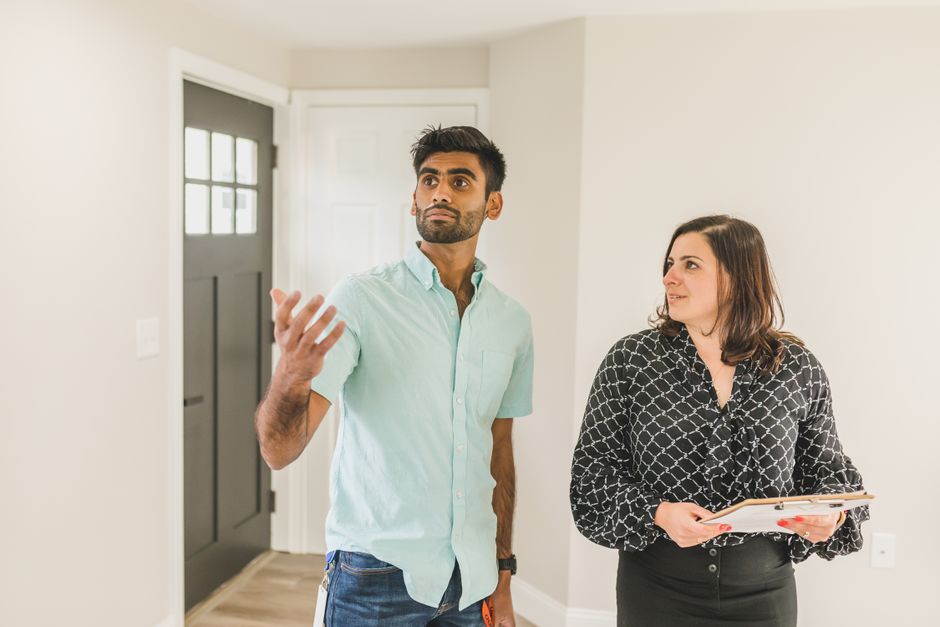
Here's what actually happens during the appraisal visit. The appraiser will walk through your entire home—every bedroom, bathroom, kitchen, basement, garage, and living space.
They're checking the overall condition of the structure, the roof, the foundation, windows, doors, flooring, kitchen appliances, bathrooms, and any updates or renovations you've done. They'll note any damage, needed repairs, or upgrades.
They're also taking measurements. Square footage is huge when it comes to valuation, so the appraiser will measure rooms and verify the total livable square footage listed in the property records.
Step 4: Exterior and Documentation
The appraiser spends time outside too. They'll assess the property's curb appeal, the condition of the yard, the driveway, any outbuildings, and the overall lot size.
Throughout the visit, the appraiser takes photos of the interior and exterior. These photos go in the official appraisal report and support the final valuation.
Step 5: Market Research and Comparables
After leaving your home, the appraiser does research. They pull data on recently sold homes in your Charlotte neighborhood that are similar to yours in size, age, condition, and location. These are called "comparables" or "comps."
The appraiser analyzes how similar homes sold and adjusts for differences. If your home has hardwood floors and a comparable doesn't, that might add value. If your roof is older than the comparable's roof, that might subtract value.
This is where local market knowledge really matters. If you're wondering what your home is worth, The McMurry Group @ eXp Realty can walk you through what similar homes in your neighborhood have actually sold for.
Buying or selling?
Talk to an Agent →Step 6: The Report is Completed
The appraiser compiles everything into a formal appraisal report. This document includes photos, measurements, condition notes, the comparable sales analysis, and the final appraised value.
The report is submitted to the lender or whoever ordered the appraisal. If you're the buyer, you usually don't see the full report—your lender just tells you if the home appraised for the purchase price or not.
What Impacts Your Home's Valuation in Charlotte
A bunch of factors influence what number the appraiser comes up with.
Property Condition
This is huge. A well-maintained home with recent updates will appraise higher than a similar home that needs repairs. Things like a newer roof, updated electrical and plumbing, and newer HVAC systems add value.
Square Footage
More living space generally means a higher value. The appraiser measures to make sure the home's listed square footage is accurate.
Lot Size and Location
Where your home is in the Charlotte area affects value. A home in Indian Trail, Matthews, Mint Hill, or Waxhaw will have different market values based on local demand and comparable sales.
Age of the Home
Newer homes typically appraise higher, but well-maintained older homes can hold their value well. Age itself isn't a disqualifier—condition is what matters.
Upgrades and Renovations
Kitchen and bathroom updates usually add value. A finished basement can add living space value. New flooring, paint, and modern fixtures help.
Market Conditions
What's happening in the Charlotte real estate market right now affects valuations. When demand is high and inventory is low, homes appraise closer to asking prices. When the market is softer, appraisals might come in lower than expected.
Related: Home Inspection: What to Expect in Charlotte
How to Prepare for Your Home Valuation

You don't need to stress too much, but a little prep helps.
Clean and Declutter
A tidy home shows better. The appraiser isn't judging your housekeeping, but visible clutter can make spaces look smaller or hide features they need to see.
Make Sure Everything Works
Check that lights, doors, windows, appliances, and HVAC are functioning. The appraiser will note things that aren't working.
Have Documentation Ready
If you've done recent renovations or updates, have receipts or documentation available. This helps justify the cost of improvements.
Let the Appraiser Do Their Job
You don't need to follow them around or try to convince them your home is worth more. They're professionals trained to be objective. Let them measure, inspect, and take photos.
Free Home Valuation Reports
If you're curious about your home's value but don't need a formal appraisal yet, many local real estate professionals offer free home valuation reports.
These aren't official appraisals—they're estimates based on comparable sales and current market data. They give you a ballpark figure for what your home might be worth.
According to the Appraisal Institute, understanding the difference between an estimate and a formal appraisal is important for making informed real estate decisions.
If you want a free valuation report for your Charlotte-area home, The McMurry Group @ eXp Realty can provide one based on recent sales data and current market conditions in your neighborhood.
When You Need a Professional Appraisal vs. An Estimate
You Need a Professional Appraisal If:
- You're getting a mortgage to buy a home
- You're refinancing your loan
- You need an official valuation for legal or tax purposes
- You're disputing your home's assessed value for property taxes
A Free Valuation Estimate Works If:
- You're just curious what your home might be worth
- You're thinking about selling and want a starting point
- You want to understand your home's market position
- You're not making an immediate real estate decision
Common Questions About Home Valuations in Charlotte NC

How long does a home appraisal take?
The physical inspection usually takes 30 minutes to an hour. The appraiser then takes another few days to research comparables, analyze the data, and write the report. The full appraisal process typically takes 5-10 business days from inspection to completed report.
What if the appraisal comes in lower than the purchase price?
If you're buying and the appraisal is lower than what you agreed to pay, you have options. You can renegotiate the price with the seller, pay the difference in cash, or walk away from the deal (depending on your contract terms). Your lender won't approve a loan for more than the appraised value.
Can I appeal an appraisal I think is too low?
Yes. If you believe the appraisal is inaccurate, you can request a review. You'll need to provide evidence—like documentation of recent renovations, comparable sales data, or corrections to errors the appraiser made. Your lender or the appraiser's company can explain the appeal process.
Does the appraisal affect my property taxes?
No. The appraisal done for a mortgage is separate from your property tax assessment. Your property taxes are based on the county assessor's valuation, which is determined independently. An appraisal for a home purchase won't change your property tax bill.
Buying or selling?
Talk to an Agent →